A new category for interior design: Faura opens its doors in Westminster on 10 September
London's first trade-only “interior design residency” — a two-floor house built around the designer, with a curated library of 275 brands, a Material Lab and a full back-office. No tills, no tags, no public admission. London first; Paris, Miami and Dubai to follow.
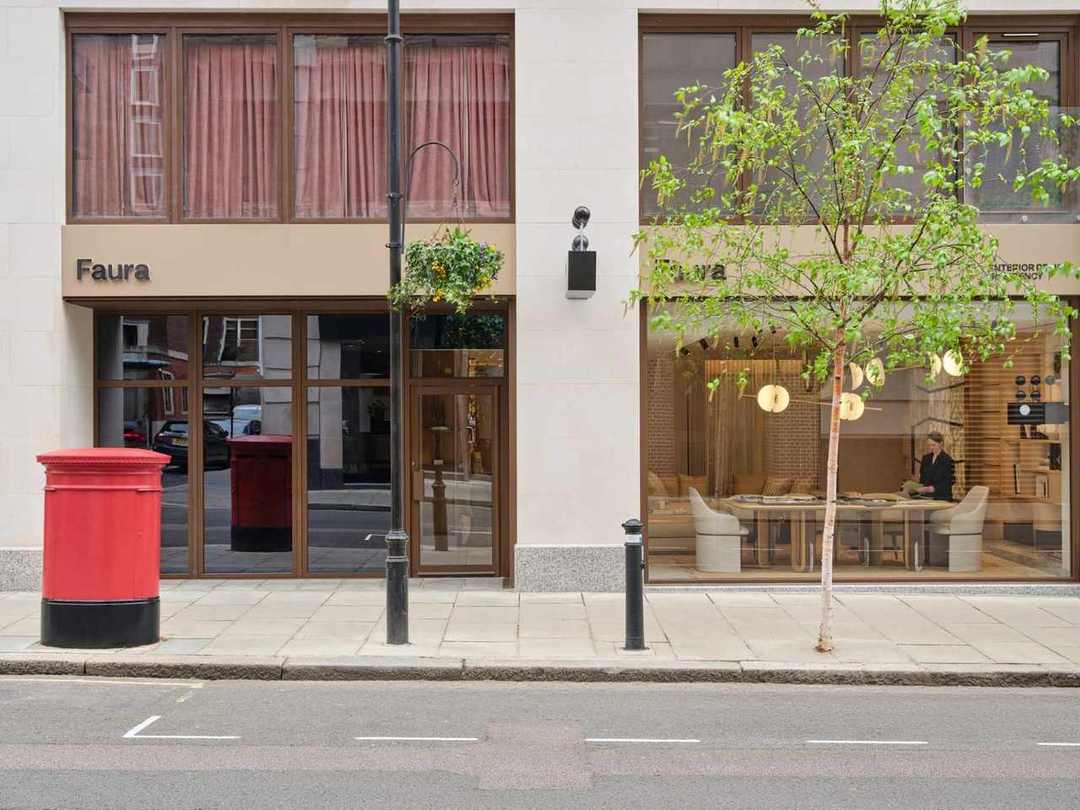
LONDON — On Thursday 10 September, Faura opens its doors in Westminster to designers, architects and journalists. Behind them is something the London design trade has not had before: an interior design residency — not a shop, a showroom or a members' club, though it borrows from all three — where the designer is the client, not the sales channel. Faura calls it a new category, and it has been built to travel.
At 75 Page Street an independent designer can bring a client, walk them through finished rooms, run a thumb across the finishes, specify from more than 200 curated houses in a single visit — and then hand the procurement, logistics and paperwork to a team whose only client is the designer.
Why it exists
Faura was founded by a team of three entrepreneurs — from real estate and construction, from interior design, and from sales and marketing — after more than a decade on the delivery side of high-end residential projects in London, working with independent designers and with private clients from 42 countries. Two patterns kept repeating. Clients complained about losing whole days criss-crossing London from one mono-brand showroom to the next. And designers, expected to deliver consistency across borders, were doing it without any of the infrastructure a large practice takes for granted.
“I have more than twenty designer friends and they all struggle in the same way. Look at their social media: the last project they managed to show properly was five or six years ago. No time, no capacity, no support. You trained to design, and then you spend most of your week doing everything else. We built Faura to give that capacity back.”
The founders' own path — from lettings and property management into construction, then interior design, then a showroom — convinced them the missing piece was not another display floor. “Not just a boring showroom,” as Eugene puts it. “The industry was built around the client. We are rebuilding it around the creator.”
A residence, not a showroom
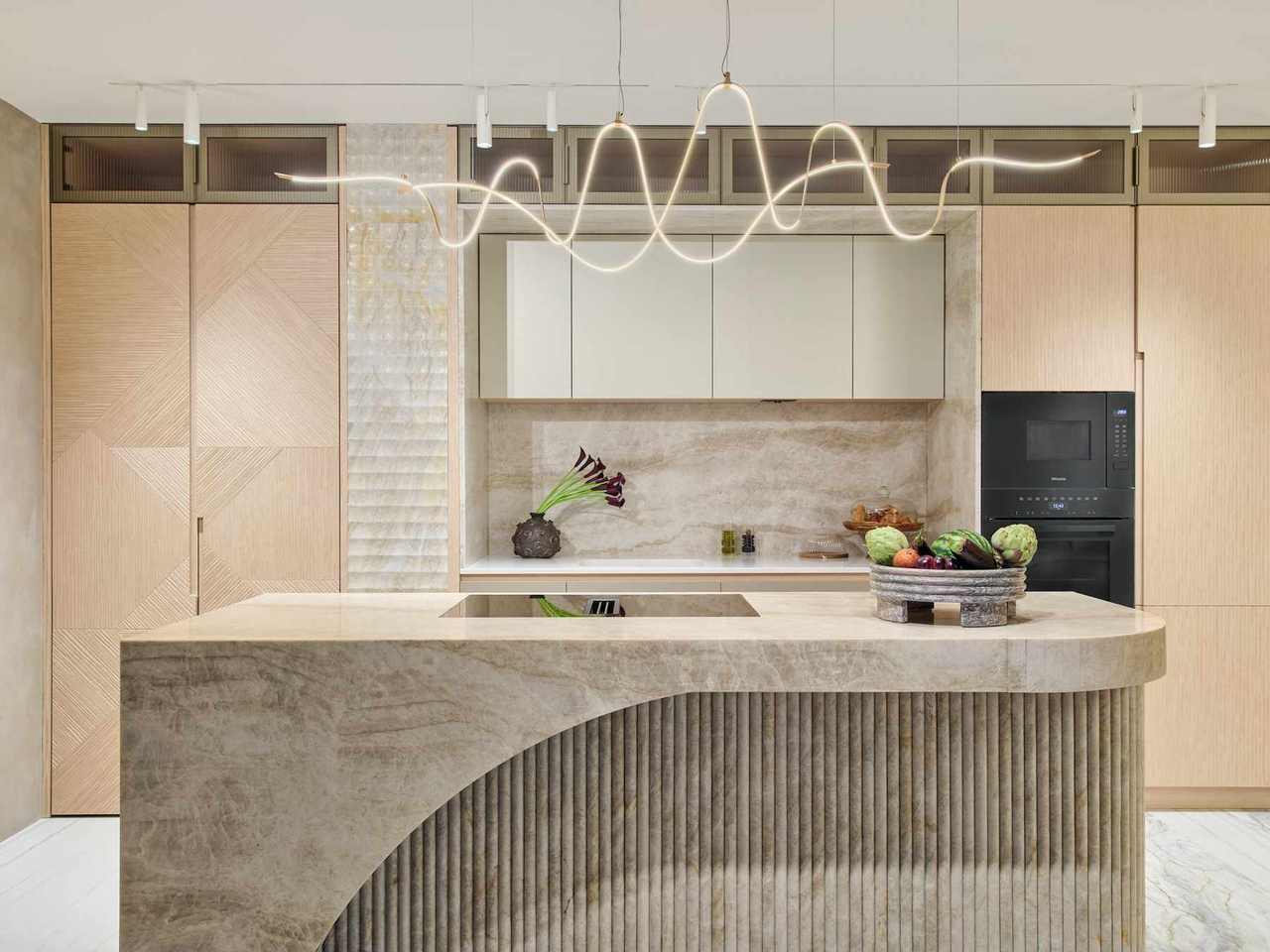
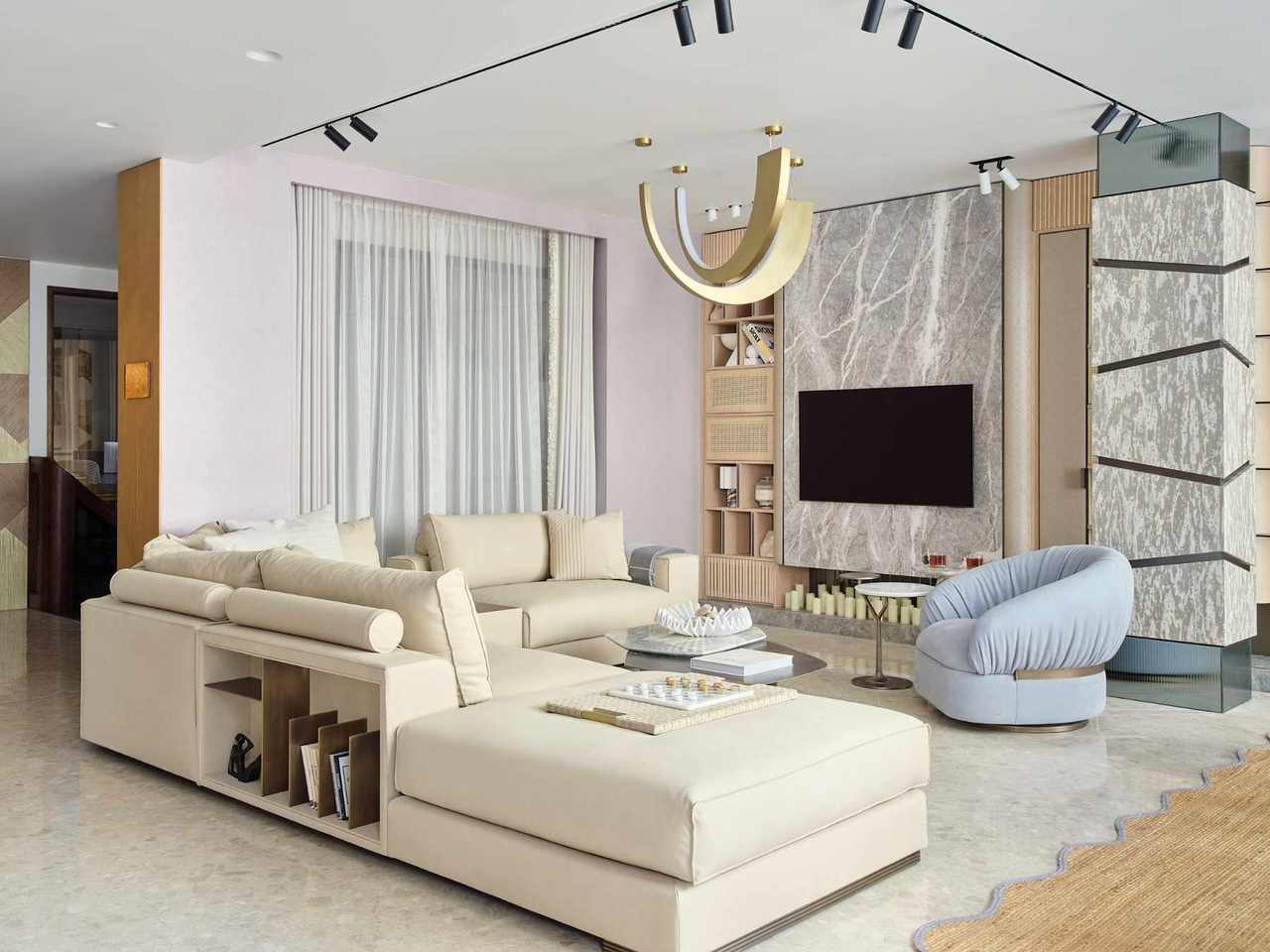
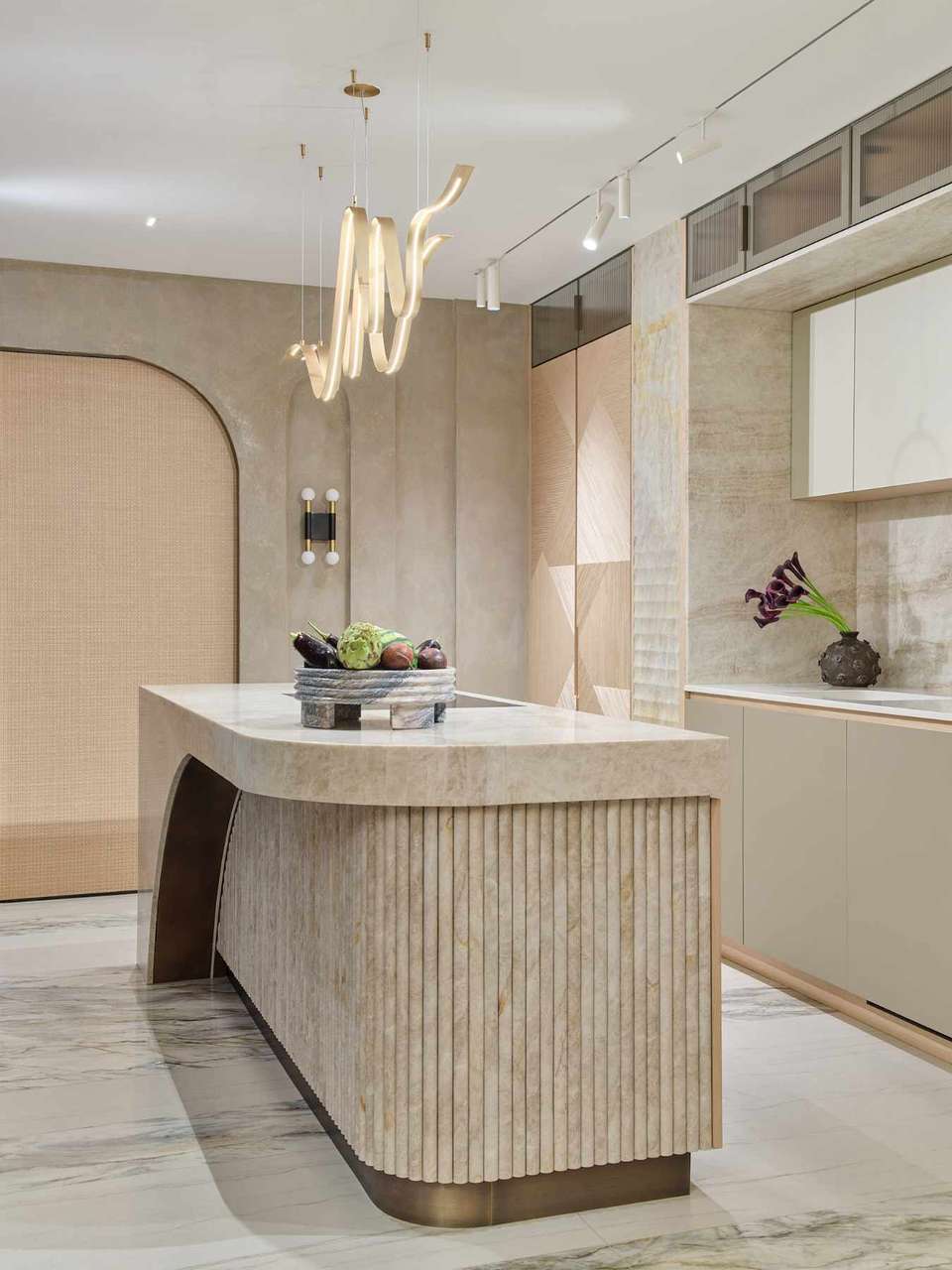
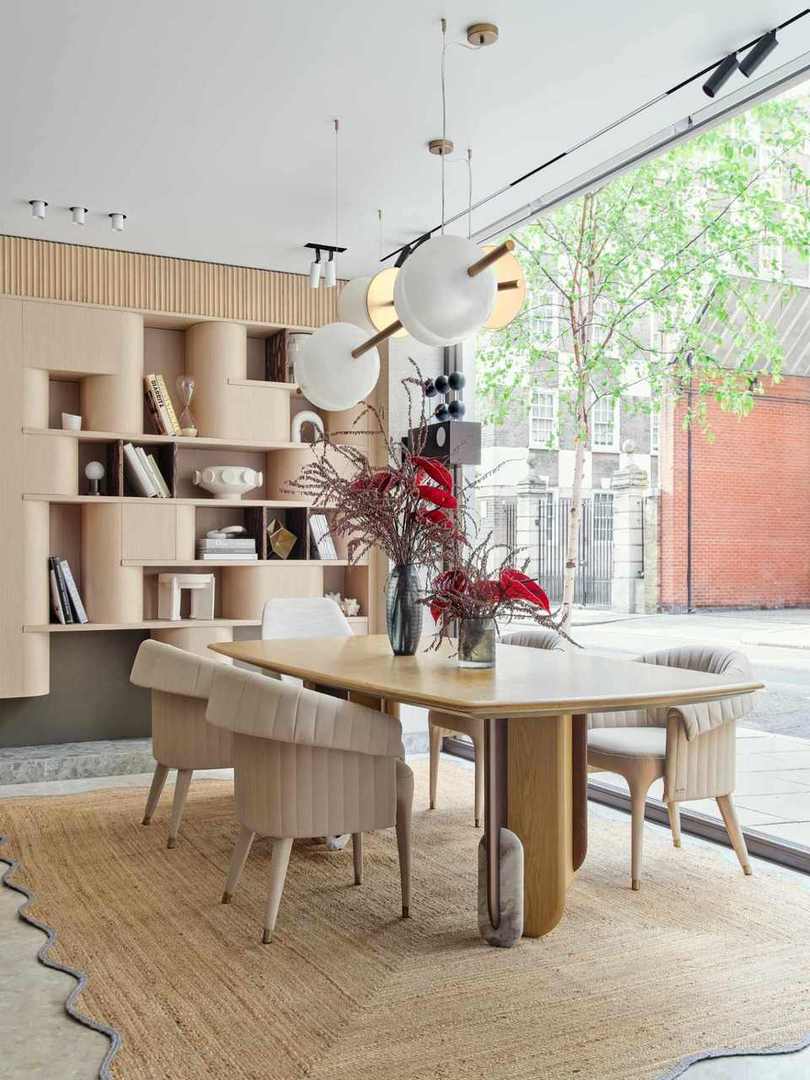
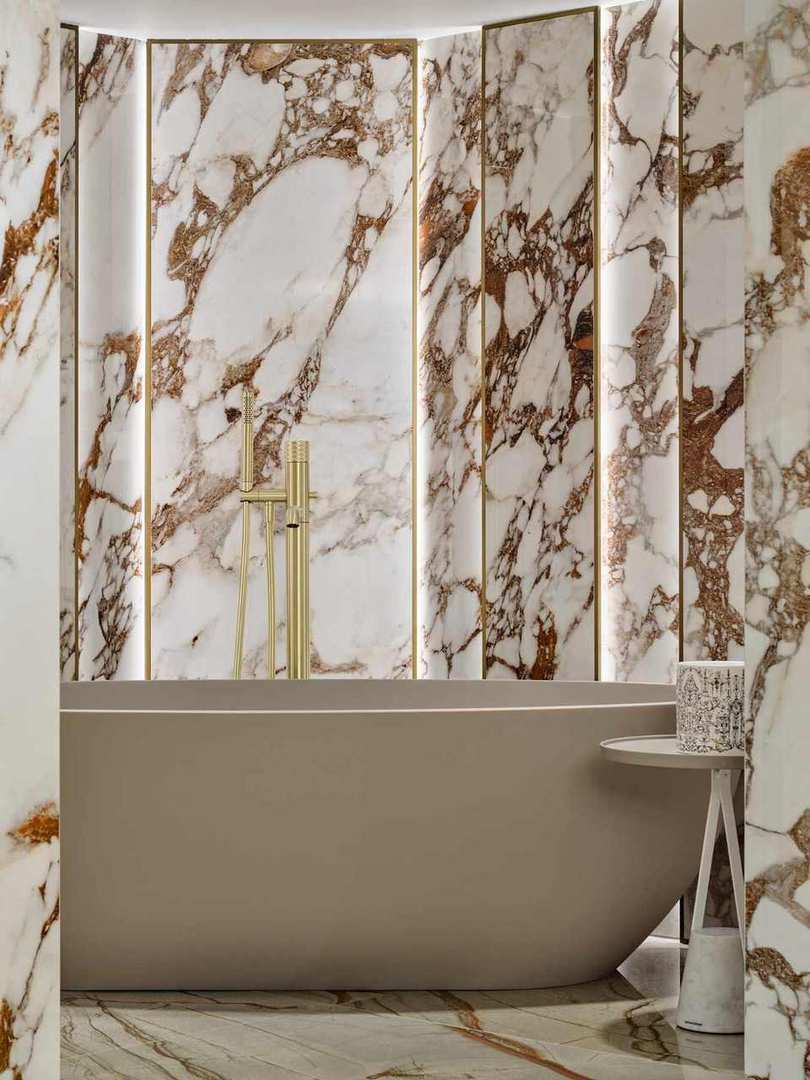
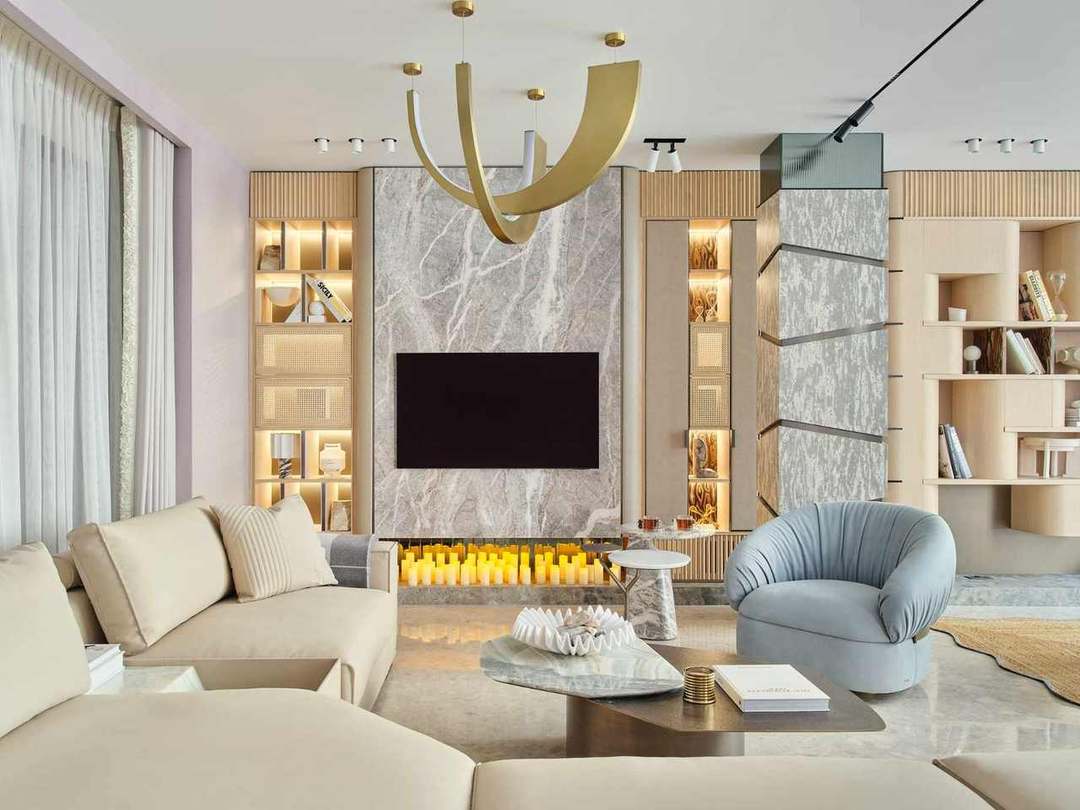
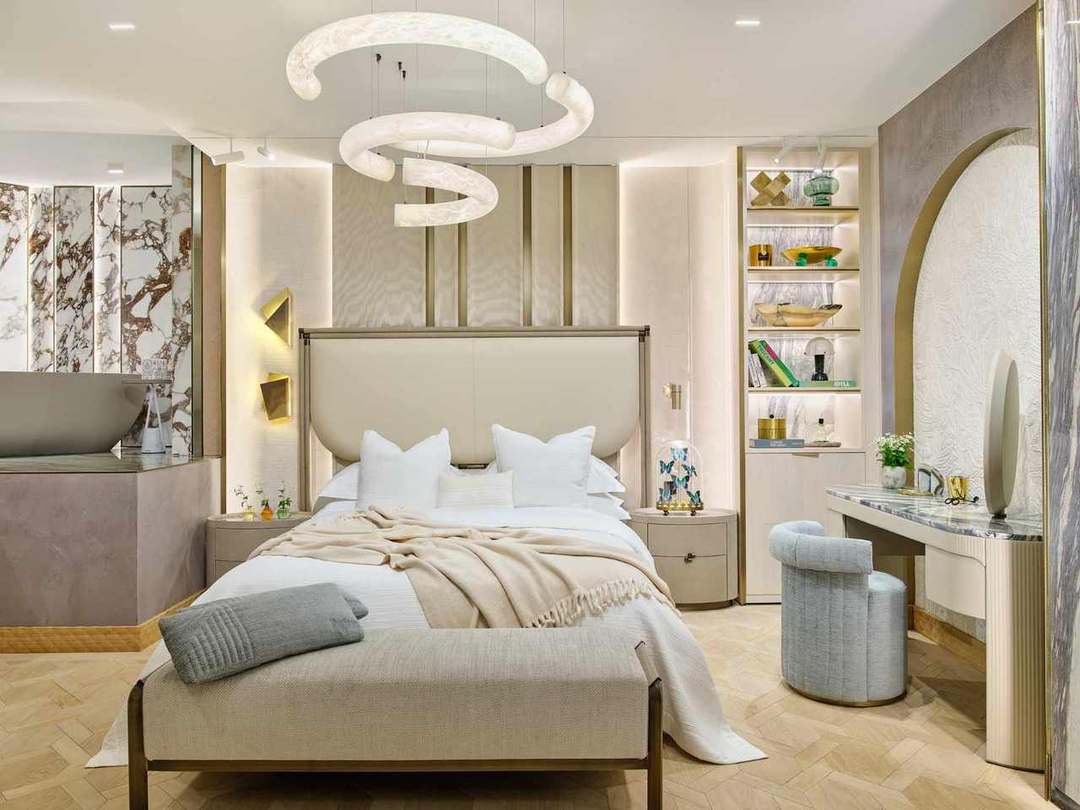
The house is arranged as a real home across two levels: drawing room, dining room set for client hosting, kitchen, bedroom and bathrooms, all finished to the last detail with pieces from the brands Faura represents. Coats are taken at the door and espresso is poured. The residency is closed to the public and opened by appointment only; there are no tills and no price tags. A designer books the house, hosts the client under their own name, and the rooms do the positioning.
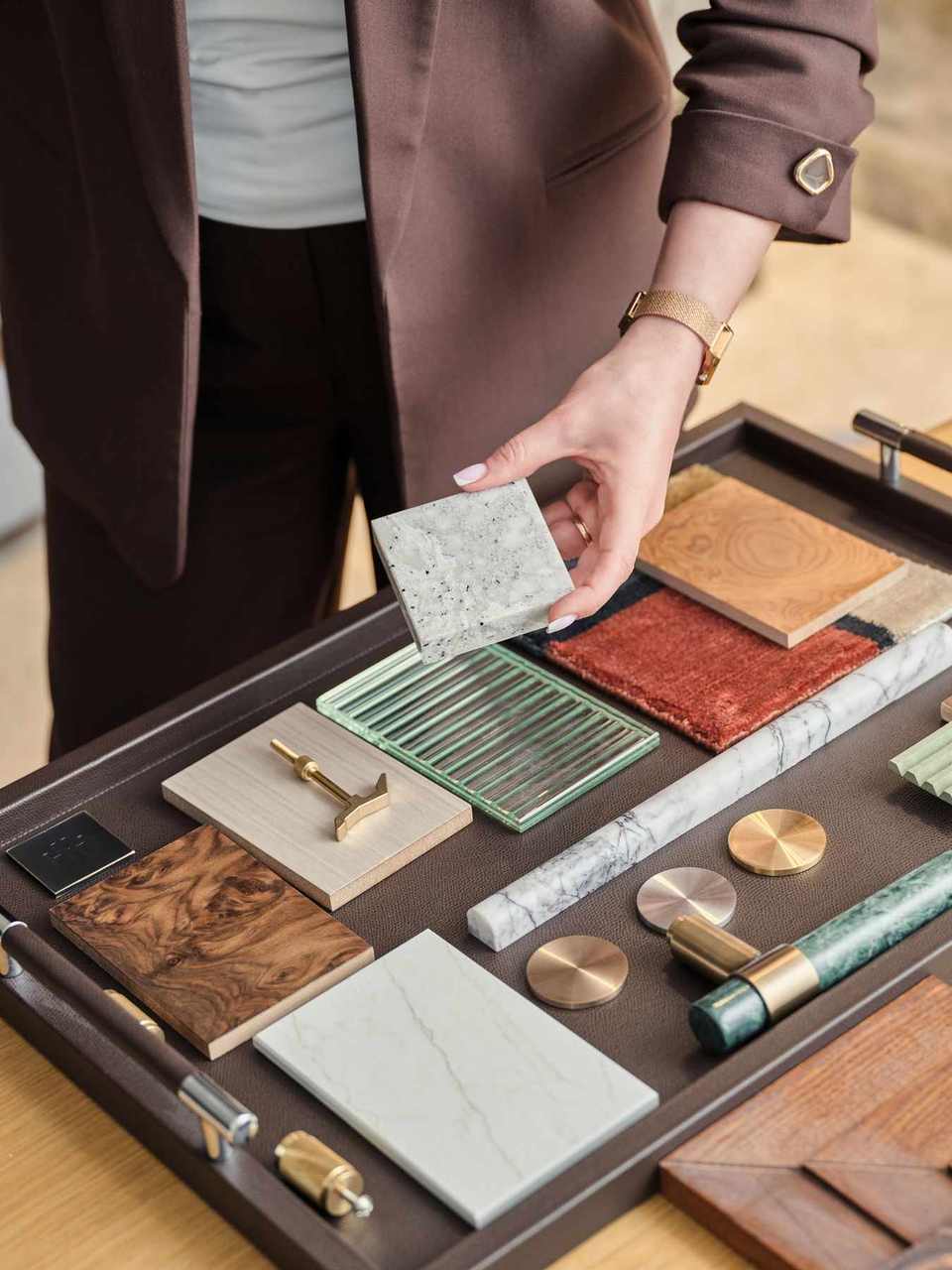
A dedicated Material Lab holds finishes, fabrics, stone, metals and hardware in one room, so that a scheme can be resolved by touch rather than by catalogue. “Here people come with their end customer, and the end customer has to see and feel it,” says Eugene. “A handle from a good Italian house and a handle from a marketplace look the same on screen. In the hand they are not the same thing at all.”
Houses you know, houses only Faura has, houses you have not met yet
Rather than an exhaustive catalogue, each category is held to a handful of houses the team has already installed on its own projects and can vouch for on quality and lead time. Around two-thirds are Italian, with the balance from the UK, the Nordics and Spain. Names designers will recognise — Rugiano, Gessi, antoniolupi, Laura Meroni, Basalte and Miele among them — sit alongside several houses represented in the UK exclusively through Faura, and a run of newer names making their London debut in the residency. New collections are shown at Page Street before the fairs, and residents get first refusal on launches.
The designer is the client, not the sales channel
The founding principle inverts the usual showroom economics. Clients introduced by a designer are registered under that designer's name and protected by a legal non-compete. Faura buys as one house across all its members, and passes the resulting trade terms — and a share of the volume overriders it negotiates with brands — back to the designers who specify. Faura only earns when the designer does.
“Our co-founder is a practising designer, and the struggle she kept hitting was that even very wealthy clients do not see the value in design and project-management fees. We want to break that. We help designers win better-quality projects, and we share the profit with them. Alone you take the price. Together we set the terms.”
The back-office as infrastructure
Behind the rooms sits the part of Faura that is hardest to photograph and, its founders argue, the most important. Membership gives an independent studio the operational depth of a large practice without the overhead:
- Specification support, quotes and negotiation with brands; consolidated orders and one invoice; import duties and customs handled
- Storage in an external warehouse and phased delivery to site, with installation by Faura's own team or one of more than 60 vetted, peer-rated contractors — decorators and specialist finishers to electricians and smart-home installers
- Project coordination and handover; legal and contract support; in-house marketing, photography and PR to help designers publish their own work
“One point of contact, one invoice, zero chaos,” is how the team summarises it. A studio of three able to deliver like a studio of thirty.
A founding community, and a network of residencies
Faura opens with a founding cohort of designers already working from the house. The first fifty designers to join become founding residents, with their first year complimentary, and will shape how the model develops. From September the house runs a calendar of Thursday salons, suppers, brand launches and talks — “drinks first, then something that actually adds value to your practice,” says Eugene — including a private presentation by Rugiano on 24 September.
London is the first house, not the last. The model is built to travel the way a members' workspace does: a designer taking on a project in another city should be able to walk into a Faura residency there and find the same rooms, the same library and the same back-office. Paris, Miami and Dubai are next in line.
“Not a better showroom. A new category. London today, the world next.”
Opening night — Thursday 10 September, evening reception
Faura opens with an evening for designers, architects, partner brands and press: two floors of finished interiors, the Material Lab, a chef in the kitchen and the founding brands introduced in the rooms. The founding team will be in the house all evening to share the vision and the ambition behind Faura in person. The evening is held to 50 places. Members of the press are warmly invited to attend, or to arrange a private walkthrough and interviews with the founders before the opening.
- What
- Opening night of Faura, London's first trade-only interior design residency
- When
- Thursday 10 September 2026, evening reception
- Where
- Faura, 75 Page Street, Westminster, London SW1P 4EJ
- Who
- Interior designers, architects, partner brands, the founding team and press — held to 50 places
- Press
- RSVP, or request a private preview and interviews before the opening: faura.global/invitation
Notes to editors
- Faura is a private, trade-only interior design residency at 75 Page Street, Westminster, London SW1P 4EJ — the first of its kind in London.
- Founded by a team of three entrepreneurs with backgrounds in real estate and construction, interior design, and sales and marketing.
- Two floors arranged as a complete, fully dressed private residence, plus a Material Lab of finishes, fabrics, stone and hardware.
- Curated library of 275 brands, around two-thirds Italian, including Rugiano, Gessi, antoniolupi, Laura Meroni, Basalte and Miele; several houses represented in the UK exclusively through Faura; more than 60 vetted contractors; a client base spanning 42 countries.
- Model: the designer is the client. Clients stay registered to their designer under a legal non-compete; trade terms and overriders are shared with the designers who specify.
- Membership: the first 50 designers join as founding residents with a complimentary first year. Applications and private visits via faura.global.
- Not retail: no tills, no tags, no public admission. Access by membership and invitation.
- Expansion: a network of residencies — London first, then Paris, Miami and Dubai.
- Tagline: “A residence, not a showroom.”
- High-resolution images of the rooms, a floor-by-floor walkthrough, and interviews with the founders are available on request.
- Website: faura.global · Invitation and press registration: faura.global/invitation
— ENDS —