Greenwich Peninsula's 16 buildings anchor London design districts
By Faura ·
Greenwich Peninsula’s 16 buildings anchor London design districts
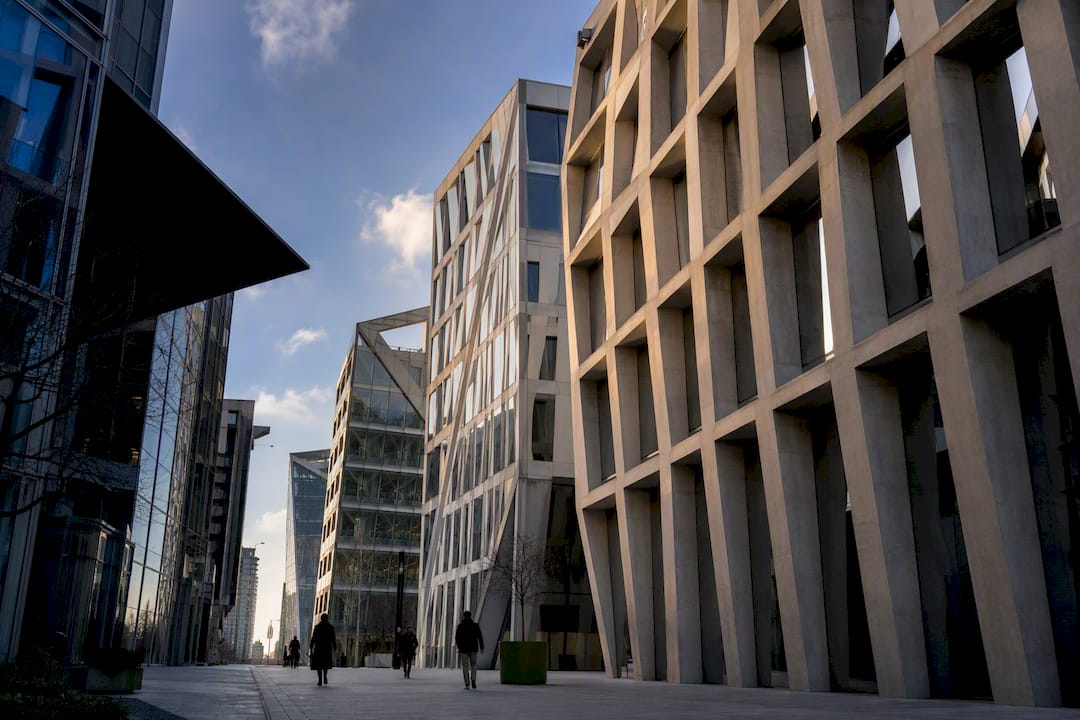
London’s design districts fall into two categories: permanent purpose-built hubs like the Design District on Greenwich Peninsula, and temporary festival districts staged each September by the London Design Festival. Greenwich Peninsula’s Design District leads the permanent tier with 16 buildings and around 14,000 square metres of studio space. Beyond it, Makerversity at Somerset House, Here East, and neighbourhoods such as Shoreditch and Hackney Wick each serve a different stage of a designer’s working life. Start with the Design District website for studio availability, then check the festival’s programme for seasonal exhibition slots.
TL;DR:
- Permanent design hubs like Greenwich Peninsula and Makerversity offer year-round access to facilities, rentals, and client space, unlike temporary festival districts that only operate during specific dates.
- Greenwich Peninsula’s Design District comprises 16 buildings with 14,000 square meters of flexible space, suited for designers needing long-term premises with room to scale.
- London’s neighborhoods such as Shoreditch, Hackney Wick, and Chelsea serve as informal districts, each specializing in networking, maker culture, or high-end trade relationships.
- When choosing a workspace, designers should prioritize available equipment, lease flexibility, client accessibility, security, and overall cost while asking operators specific questions beforehand.
- Greenwich Peninsula’s purpose-built model demonstrates benefits like predictable facilities and dedicated client-facing space, proving that combining hubs with trade showrooms maximizes efficiency for designers.
Table of Contents
- What counts as a London design district?
- Permanent hubs worth applying to
- Neighbourhoods that shape London’s design scene
- Choosing the right district or workspace
- Where a trade showroom fits alongside a workspace
- The designers and firms shaping each district
- How London’s design districts took shape
- Design events worth diarising beyond the festival
- What these districts mean for London’s creative economy
- Getting to each district
- Why Greenwich Peninsula deserves the attention it gets
- Sources
- FAQ
What counts as a London design district?
The phrase covers two different things, and mixing them up wastes time. The first is the purpose-built creative hub: a permanent site with studios, workshops, and lettable desks that operates all year, regardless of what month it is. The Design District at Greenwich Peninsula is the clearest example, alongside Makerversity and Here East.
The second is the festival district: a temporary designation the London Design Festival applies each September to concentrate showroom openings, pop-ups, and open studios across a named part of the city. Areas such as Chelsea, Shoreditch, Bankside, and Soho become festival districts for roughly ten days, then revert to being ordinary neighbourhoods with permanent showrooms and studios that happen to be busier that week.
The distinction matters for access. A permanent hub requires membership or a booking, and gives you year-round use of equipment and client-facing space. A festival district requires nothing more than turning up during the programme window, but it will not give you a fabrication lab in November. If you need studio space now, look at hub membership pages. If you are planning an exhibition or product launch, check the festival’s district listings for the relevant dates.
Permanent hubs worth applying to
Four facilities dominate the permanent tier for working designers, each suited to a different brief.
- Design District, Greenwich Peninsula: 16 buildings across roughly 14,000 square metres, with flexible desks, private offices, dedicated studio units, and on-site facilities including photography and post-production studios and 3D printing. It suits designers who need a long-term base with room to scale, plus space to host clients without renting a separate showroom.
- Makerversity, Somerset House: a 20,000 square foot maker campus in one of London’s most recognisable cultural buildings, offering 24/7 access and fabrication equipment. Membership pricing from the operator’s own site starts at around £275 a month, which makes it a realistic option for sole practitioners rather than only larger studios.
- Here East, Queen Elizabeth Olympic Park: a campus-style hub combining flexible studio and office space with Plexal, an innovation cluster that brings creative and technology businesses into the same building. Good for designers whose work increasingly overlaps with digital fabrication or product engineering.
- Somerset House Exchange and the Business Design Centre: exhibition and showroom-ready spaces for trade events and client presentations, useful when you need a credible venue for a launch without committing to permanent studio space.
Pro Tip: Before booking any of these, ask the operator three specific questions: who covers equipment insurance while you’re using shared machinery, how visitor access works if you want to bring a private client, and whether procurement or supplier introductions come with membership or sit outside it entirely. Somerset House also runs its own creative workspace programme in partnership with Makerversity, worth checking if you want a central address with cultural weight attached.
Neighbourhoods that shape London’s design scene
Beyond the purpose-built hubs, several neighbourhoods function as informal design districts in their own right, each useful for a different part of a project.
- Shoreditch: dense with independent showrooms, street art, and design-led retail, and a reliable spot for networking events outside festival season.
- Hackney Wick and Dalston: the beating heart of London’s maker culture, protected in part by the Hackney Wick and Lower Lea Valley Creative Enterprise Zone, designated to keep affordable workspace available as the surrounding area develops.
- Chelsea, Mayfair, and Brompton: the established showroom and gallery circuit favoured for high-end material sourcing and trade relationships that go back decades.
- Bankside and Soho: client-facing cultural districts with strong festival activations, good for events that need cultural credibility alongside foot traffic.
Favour a neighbourhood visit when you’re scouting materials, meeting suppliers, or building relationships, especially with a specialist like Simmons Interior Supply who offer bespoke furniture and supply guidance. Favour booking time in a permanent hub when you need equipment, secure storage, or a repeatable space to bring clients back to.
Choosing the right district or workspace
Match the space to the job, not the other way round. Six criteria decide most of it: available equipment and facilities, how flexible the membership or lease terms are, whether the space can host private clients credibly, transport links, total cost, and the strength of the surrounding creative community.
Before signing anything, ask the operator these questions in order:
- How is equipment booked, and is there a queue during peak hours?
- What insurance covers you while using shared machinery or fabrication tools?
- What security measures apply outside your own working hours?
- Can you bring a private client to the space, and does that require notice?
- Is any procurement or supplier support included, or is sourcing entirely on you?
Watch for three red flags in particular: access rules that change depending on who you ask, fees that appear only once you’ve committed, and an operator who can’t produce documented health and safety protocols for shared equipment. Any hesitation on that last point is worth treating as a decision in itself.
Where a trade showroom fits alongside a workspace
A maker hub solves prototyping and fabrication. It does not solve procurement, and it rarely gives you a space built for private client presentations. That’s the gap a trade showroom and residency model is designed to close, and it’s the model Faura operates from Westminster.
Faura gives independent designers a curated product library, exclusive procurement terms, and operational back-office support that removes the hours normally spent chasing suppliers and quotes. Designers use the space to host private clients directly, rather than borrowing a corner of a shared studio for a meeting that deserves better.
- Full-house procurement across multiple brands and finishes in one sitting
- Private client presentations in a space built for exactly that purpose
- Operational support that shortens the gap between specification and order
Pro Tip: If a project needs client-facing polish and multi-brand procurement on a tight deadline, a trade showroom will move faster than assembling the same result across several separate maker-space bookings. Explore Faura’s trade membership if that describes your current workload.
The designers and firms shaping each district
Greenwich Peninsula’s Design District was built with a curatorial hand, and its early tenant mix leaned towards designers working across product, spatial, and digital practice rather than a single discipline. That range is deliberate. The building’s brief called for a cluster where a furniture maker and a motion graphics studio might end up sharing a corridor, and the resulting cross-pollination is part of why the site draws attention beyond its floor area.
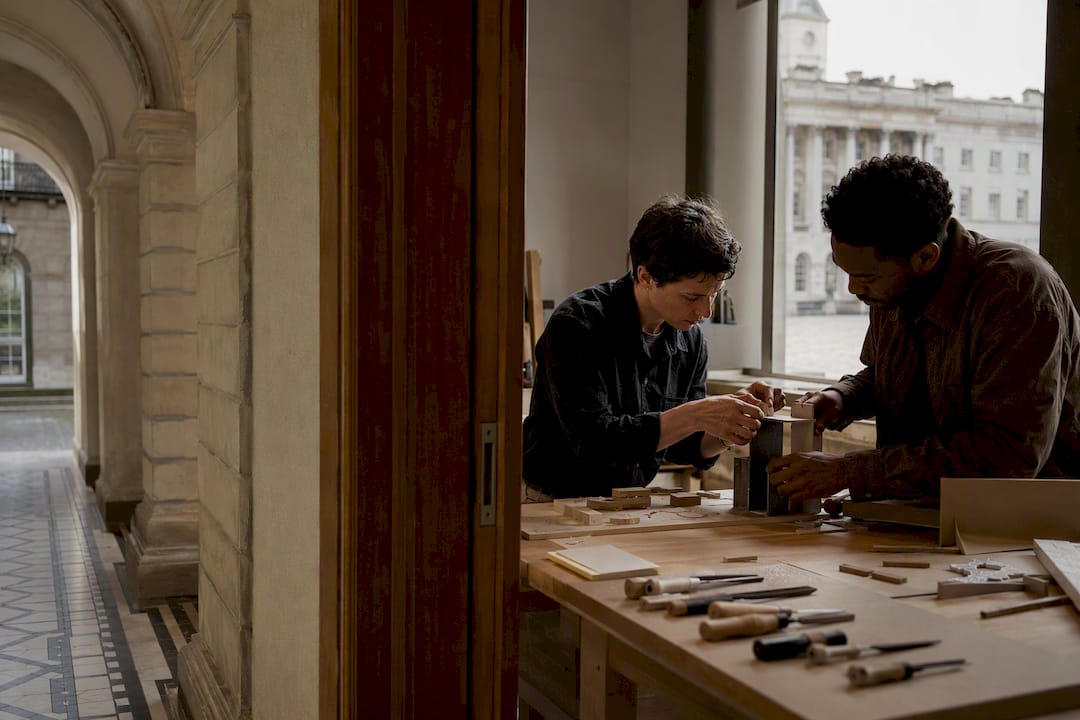
Somerset House carries a different weight. Makerversity sits inside a Georgian building with a long institutional history, and its tenant list mixes product designers with technologists building physical prototypes, an unusual combination for a heritage address. The contrast between the building’s formality and the workshop noise inside it is part of what makes the site distinctive.
Hackney Wick’s design reputation grew from the bottom up. Studio Wayne McGregor and a wide scatter of independent furniture makers and ceramicists established the area’s identity well before council backing formalised it as a Creative Enterprise Zone, and that grassroots foundation still shapes who choose to work there.
Chelsea and Mayfair remain where the established interiors trade concentrates, home to showrooms representing decades-old brands alongside newer names building trade relationships the traditional way, through repeat client referral rather than festival visibility.
How London’s design districts took shape
London’s design geography did not arrive by masterplan. Chelsea and Mayfair built their reputations over more than a century, as decorators and antique dealers clustered around aristocratic clientele who wanted everything within a short carriage ride. Hackney Wick’s maker scene grew for the opposite reason: cheap industrial units after the area’s manufacturing decline, occupied first by artists and later by furniture and product designers who needed floor space more than footfall.
The Design District at Greenwich Peninsula represents a different model entirely: purpose-built rather than colonised. Developed as part of the wider Peninsula regeneration, it was planned from the outset as a creative cluster rather than left to emerge organically, which explains why its facilities read as more coordinated than anything Hackney Wick offers.
The London Design Festival, launched in 2003, changed how all of this gets seen. It gave scattered neighbourhoods a shared annual moment, turning independent showroom openings into a coordinated citywide programme. That’s largely why festival districts now sit alongside permanent hubs in how people talk about London’s design geography. The two systems, one built and one organic, one seasonal and one year-round, now run in parallel rather than competing, and most working designers end up using both.
Design events worth diarising beyond the festival
The London Design Festival dominates the calendar, but it is not the only fixture worth planning around. Clerkenwell Design Week, typically held in May, turns the area’s dense concentration of architecture and design practices into a three-day showroom crawl, with many studios opening spaces they otherwise keep private. It’s a useful counterpoint to September’s festival because it happens when the trade calendar is quieter.
Open studio weekends run independently across Hackney Wick and Dalston at various points in the year, organised by the makers themselves rather than a central festival body, which means dates shift and are worth tracking through local studio mailing lists rather than a single official calendar. London Craft Week, generally in May, leans further into materials and making than pure interiors, but overlaps enough with product design to be worth a visit if your practice touches bespoke fabrication.
Somerset House also runs standalone exhibitions and open days through Makerversity outside the festival window, giving year-round visibility to a space that would otherwise only get attention in September. None of these replace the London Design Festival’s scale, but together they fill the rest of the calendar for anyone who wants to stay visible in the trade without waiting a full year between appearances.
What these districts mean for London’s creative economy
Purpose-built hubs and protected neighbourhoods do more than house designers. They anchor a supply chain of fabricators, photographers, and material suppliers who depend on creative clusters staying put rather than dispersing across the city. The Hackney Wick and Lower Lea Valley Creative Enterprise Zone, designated in 2018, exists specifically because policymakers recognised that losing affordable workspace to development pressure would push out the businesses that make the area worth developing in the first place.
That logic extends to purpose-built sites too. Pooling expensive shared equipment, fabrication labs, photography suites, podcast studios, inside one campus lets far more independent practitioners access tools that would otherwise sit far beyond a sole trader’s budget. Here East’s Plexal cluster works on the same principle from the technology side, putting creative and engineering businesses close enough to trade knowledge without either side needing to fund a full in-house capability.
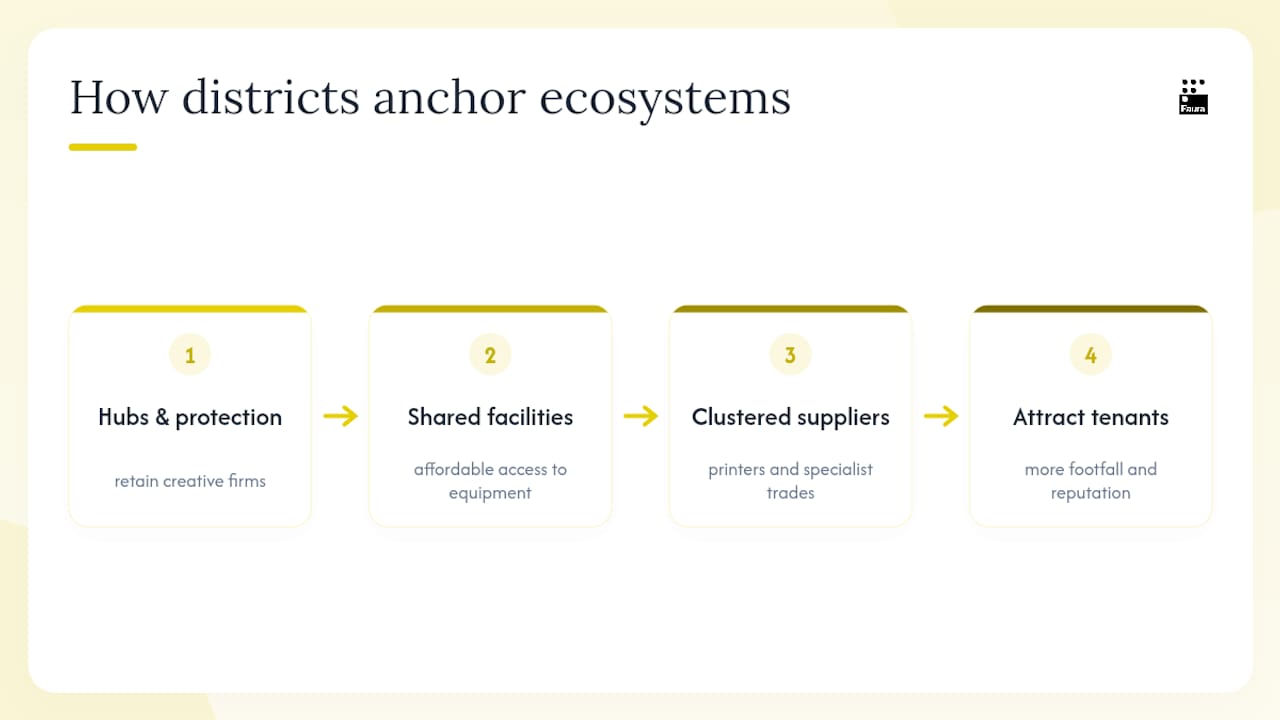
The commercial effect ripples outward. A concentration of studios draws material suppliers, printers, and specialist trades to set up nearby, which in turn makes the area more attractive to the next wave of tenants. Greenwich Peninsula’s wider regeneration leaned on this dynamic deliberately, using the Design District’s creative tenants as an anchor to bring footfall and reputation to a site that had none a decade earlier.
Getting to each district
Greenwich Peninsula’s Design District sits a short walk from North Greenwich station on the Jubilee line, with the O2 arena as a familiar landmark if you’re giving directions to a client. It’s roughly 15 minutes from Canary Wharf and well served for anyone travelling from central London without a car.
Somerset House, home to Makerversity, could not be more central: Temple and Covent Garden underground stations are both within a few minutes’ walk, making it the easiest permanent hub to reach for client meetings that need a recognisable, prestigious address.
Here East sits inside Queen Elizabeth Olympic Park, reachable via Stratford station, one of London’s best-connected transport hubs with Elizabeth Line, Jubilee line, and mainline rail all converging there. The walk from the station takes around ten minutes through the park.
Hackney Wick has its own overground station, putting it a few stops from Stratford, though the area’s industrial layout means some studios sit a genuine walk from the platform rather than immediately outside it. Chelsea and Mayfair rely on the District, Circle, and Piccadilly lines respectively, both well served but without a single unifying station the way Greenwich Peninsula or Here East have. For anyone visiting several hubs in one day, the Jubilee line does useful work, linking North Greenwich, Canary Wharf, and central London stations near Somerset House on a single route.
Why Greenwich Peninsula deserves the attention it gets
The conventional advice on London’s design scene treats every district as interchangeable, a list of postcodes to visit when you fancy inspiration. That undersells what’s actually happened at Greenwich Peninsula. Building 14,000 square metres of coordinated studio space from scratch, rather than waiting for an industrial neighbourhood to gentrify into one, is a different bet entirely, and it’s paid off in ways that organic clusters rarely manage: predictable facilities, documented access, and space genuinely built for client-facing work rather than retrofitted for it.
Where the guidance usually falls short is treating maker hubs and trade showrooms as substitutes. They’re not. A fabrication lab solves prototyping. It does not solve procurement, and it rarely gives a designer a credible room to sit a private client down in. The practitioners getting the most out of London right now are the ones using both systems deliberately: hubs for the making, a trade showroom for the client relationship and the sourcing that follows it. Anyone still trying to make one space do both jobs is working harder than they need to.
— Eugene
Sources
- Design District (Greenwich) — description and facilities
- Makerversity — maker spaces and membership details
- Here East — campus and Plexal innovation hub details
- Hackney Wick and Lower Lea Valley Zone — Greater London Authority overview
- London Design Festival — design districts and programme context
FAQ
What are the creative districts in London?
London’s main creative districts split between permanent hubs, Design District at Greenwich Peninsula, Makerversity at Somerset House, and Here East, and neighbourhood clusters including Shoreditch, Hackney Wick, Chelsea, and Bankside.
What is the design district in London?
The Design District usually refers to the purpose-built creative cluster at Greenwich Peninsula, comprising 16 buildings and around 14,000 square metres of studio and workspace.
What shops are located in Design District Greenwich?
Design District Greenwich hosts a mix of independent studios, showrooms, and maker businesses rather than conventional retail, with tenants spanning product design, digital media, and fabrication.
What are the artsy areas of London?
Shoreditch, Hackney Wick, Dalston, and Bankside carry London’s strongest informal creative reputations, alongside the more established showroom circuits of Chelsea and Mayfair.
What is the difference between a permanent hub and a festival design district?
A permanent hub like Design District Greenwich operates year-round with bookable studios and facilities, while a festival design district is a temporary designation the London Design Festival applies each September to concentrate showroom events across a named area.