Guide · Trade practice
Trade-only vs retail furniture showrooms in London: what's the difference?
By Faura Editorial · · 9 min read
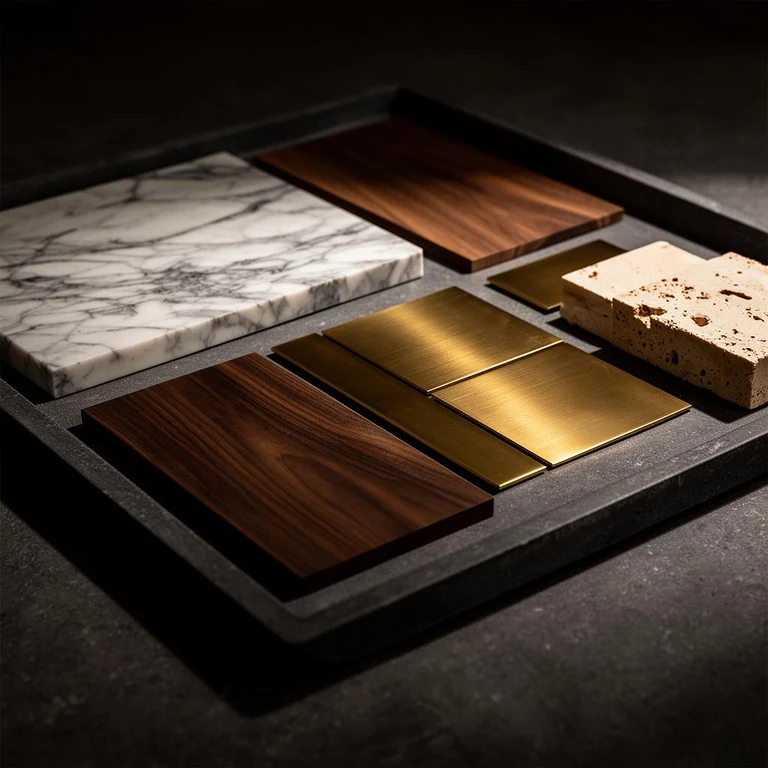
A trade-only furniture showroom in London is reserved for accredited professionals — interior designers, architects, developers and contractors — and works on appointment, trade pricing and specification support. A retail showroom is open to the public and optimised for a single buyer choosing a finished piece. The two formats look similar from the pavement, but the workflow and depth of service inside are meaningfully different.
What "trade-only" actually means
A trade-only showroom does not sell to the general public. Its collections, sample libraries, technical files and pricing are reserved for accredited trade accounts. Accreditation is usually based on a portfolio, a company website and a live or recent project. Once an account is open, the studio unlocks trade pricing, on-site sampling and named specification support.
Retail showrooms, by contrast, welcome walk-in visitors and design the space around a domestic buyer choosing a piece for their own home.
How the two compare
| Aspect | Trade-only | Retail |
|---|---|---|
| Access | By appointment, trade only | Walk-in, open to public |
| Pricing | Trade pricing per project | Published RRP |
| Sampling | Sample library, cuttings, memos, finish boards | Limited display swatches |
| Technical support | CAD blocks, fire & contract ratings, drawings | Product spec sheet |
| Typical visit | Working session against a brief | Browse |
| Delivery | Coordinated to site | Home delivery of stocked items |
Why the difference matters
Interior designers, architects and specifiers are resolving dozens of decisions across a project — dimensions, finishes, lead times, contract ratings, site logistics, budget alignment. A trade-only format is built to answer those decisions in one place: a sample library rather than styled vignettes, technical files rather than marketing brochures, a project schedule rather than a single ticket.
A retail showroom is optimised for a different job — helping one buyer choose a finished piece for their own home. Both formats are valid; they are simply built for different customers.
How does a trade-only visit actually run?
A trade-only appointment usually starts with a short project brief shared in advance — location, room count, budget band, programme, key references. The showroom team pre-stages relevant pieces, pulls finish boards, prints reference sheets, and — where the scheme involves millwork or bathrooms — surfaces the technical files ahead of arrival. On the day, the designer walks the space with a named host rather than browsing alone. Notes are taken as decisions are made, cuttings are labelled against room references, and a written follow-up captures the pricing indication, lead-time notes and any open questions.
Because visits are booked, each one can run as an unhurried working session.
Can I bring my client to a trade-only showroom?
Yes, and it is one of the reasons designers use the format. Because the space is private, the room can be dressed to the project — the selected pieces staged, the finish boards laid out, the fabrics hung. Clients see the scheme in physical materials rather than on a mood-board, and the designer stays firmly in the presenter role. At Faura, the Westminster showroom is used this way regularly; the FAQ sets out how client sessions are booked alongside working appointments.
How does trade pricing actually work?
Trade pricing is usually agreed per project, and terms vary by showroom and by brand. Rather than a single percentage discount off retail, it is a working price applied when a designer specifies a piece into a live project, with any project-specific configuration — dimensions, finishes, upholstery, contract ratings — costed against the manufacturer's current schedule. The final quotation is typically issued as a written specification the studio can share with the client.
Which London showrooms are trade-only?
Most London design-district showrooms are hybrid: open to the public but with a designer discount scheme in the background. A smaller set is genuinely trade-only. Faura's Westminster showroom is trade-only by design — every visit is booked in advance and hosted by the in-house team.
How to visit a trade-only showroom
- Confirm your studio has (or can open) a trade account.
- Send a short project brief in advance — location, room count, budget band, programme.
- Book an appointment; ask for the specific brands or references you want to see.
- Bring drawings and moodboards; expect to leave with cuttings, memos and a written schedule.
If you are a designer, architect or contractor and want to visit Faura's trade showroom in Westminster, book a private appointment — the team will confirm next steps for opening a trade account. Read more on how designers use the space in hosting clients at a design showroom or explore the full trade programme.