How much does a new bathroom cost in London? A practical guide
Keeping the WC, basin and bath where the pipes already run is the easiest saving. What drives a London bathroom budget, what to line-item and how to compare quotes.
Faura · · 7 min read
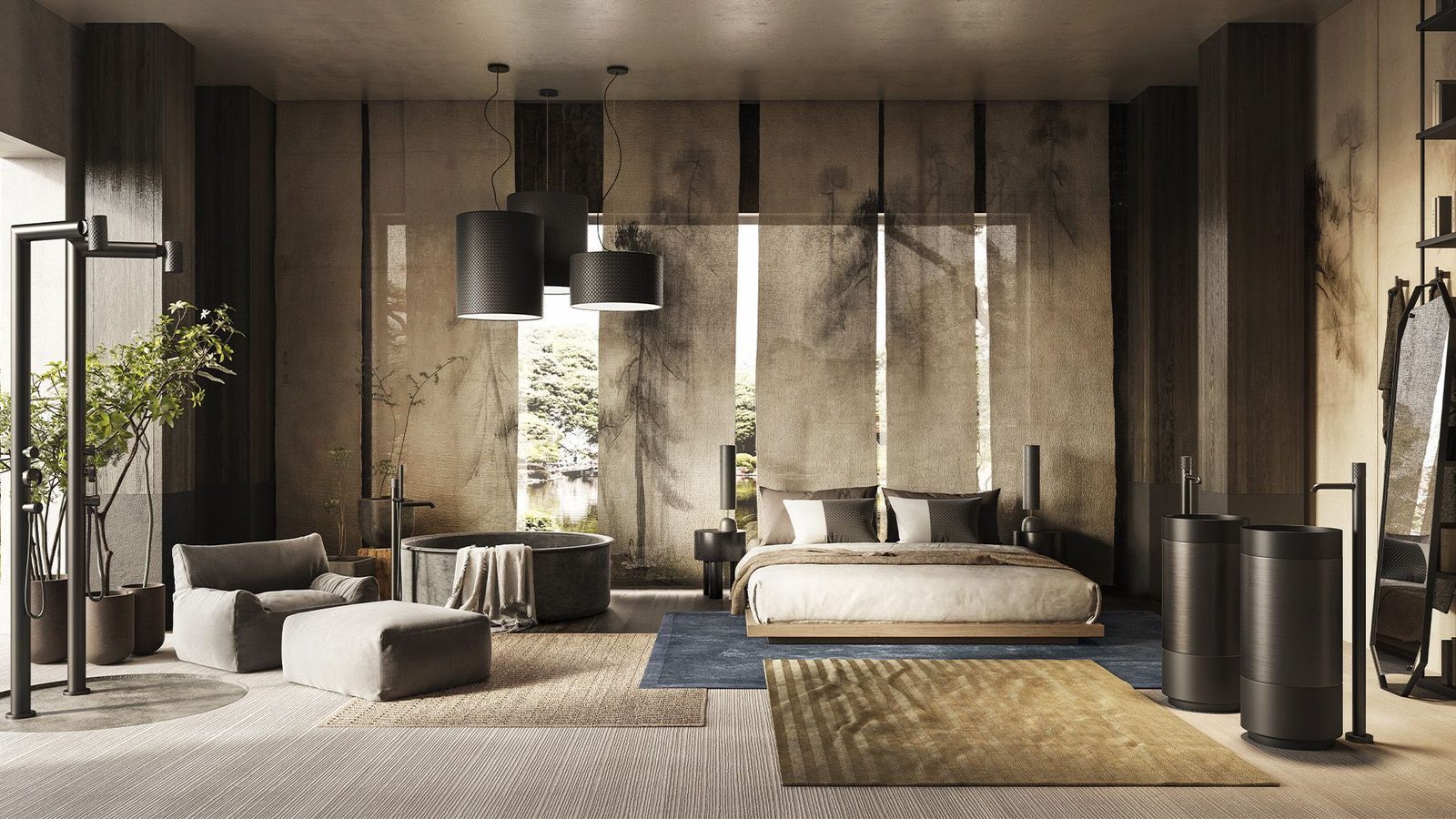
A new bathroom looks like a small project until the quotes arrive. The room is compact, but it concentrates plumbing, waterproofing, electrics, tiling, ventilation and fixtures into a few square metres, and each is a separate trade or supplier. This guide explains how a bathroom budget is built, what the published UK sources say, and what to check in a London property before you commit. Faura is a private showroom and residency in Westminster that works with independent interior designers, so we see bathroom budgets from the specification side.
TL;DR:
- Which? worked with the Building Cost Information Service (BCIS) to publish bathroom costs for terraced, semi-detached and detached houses. The table is for members only, so we do not reproduce it.
- Which? lists what moves a bathroom price: location, age and condition of the property, access to plumbing, how long the job takes, quality of fittings, waste disposal and extra specialists such as tilers and electricians.
- Keeping the toilet, basin and bath where the pipes already run is the easiest saving.
- Budget for tiling, waterproofing, ventilation, VAT (standard rate 20%) and a reserve, not only the suite.
- Ask each fitter to break the quote down and say who does what.
Contents
- What the published sources say
- What drives the cost of a bathroom
- Where the money goes
- Why London bathrooms need more care
- Does a new bathroom add value?
- How to set a budget and keep to it
- How Faura works with you
- Questions people ask
What the published sources say
We checked the main UK consumer sources before writing this. In “How much does a new bathroom cost in 2026?” (1 January 2026), Which? reports that it worked with BCIS to produce price ranges for a terraced house bathroom (about 3.5 square metres), a semi-detached bathroom (about 4 square metres) and a detached bathroom (about 6.5 square metres). The prices cover removing the existing bathroom and installing the bath, basin, WC, vanity unit, fittings, flooring, wall tiling and decoration. Only Which? members can see the ranges, so we do not quote them; read the source for the numbers.
Which? is open about how hard bathroom pricing is. Its senior researcher says accurate pricing is hard to find because of the variables, from where you live to whether you want a high-end or budget finish. We have not found a free, named source with a reliable London-specific figure, so we do not give one. Be wary of any London average that does not say where it comes from.
What drives the cost of a bathroom
Which? lists the factors that affect a fitter’s price: where you live, the age and condition of the property, ease of access to the plumbing, how long the job takes, the quality of the fittings, whether the fitter disposes of waste and whether additional specialists such as tilers and electricians are needed. Our additions from specification work:
Layout
Which? advises against moving plumbing or the waste pipe, because it adds cost; putting the new suite and toilet where the old ones were is the cheapest route. Moving the soil pipe, adding a wet room or changing the floor level involves floor structure, falls and waterproofing, so it is usually the largest single jump in scope.
Bath, shower or both
A walk-in shower needs a tray or a formed floor, drainage and screens. Which? also notes that a heavy luxury bath may need a reinforced floor, which matters in older London houses with timber joists.
Taps, showers and brassware
Thermostatic valves, rain heads, hand showers and concealed bodies are a large part of the specification. They go inside walls, so choose them before tiling starts. Gessi is one example of a brassware range we show at the Residency.
Tiles and surfaces
Large-format porcelain, natural stone and mosaics are priced and fitted differently. Which? points out that a specialist tiler may do a better and quicker job with non-standard materials such as mosaic.
Heating, lighting and ventilation
Underfloor heating, heated towel rails, lit mirrors and extractor fans all add electrical work. According to Which?, gas work must be done by a Gas Safe-registered engineer and electrical work by a qualified electrician.
Furniture and storage
Vanity units, bespoke cabinetry and recessed niches add joinery and tiling time. Decide them before the walls are closed.
Where the money goes
For your own budget, give each of these a line:
- Design and specification.
- Strip-out and waste disposal. Ask whether the fitter includes it.
- First-fix plumbing and electrics, then second fix.
- Waterproofing and tanking where required, and floor preparation.
- Tiling, labour and materials.
- The suite: bath or shower, WC, basin, furniture.
- Brassware, accessories and glass.
- Decorating and making good.
- VAT. GOV.UK gives the standard rate as 20%. Check whether each quote includes it.
- A reserve for what is found once the old bathroom is stripped out.
Why London bathrooms need more care
We have no sourced London premium to quote, but the practical issues are real. In a flat, the lease or managing agent may require written consent, set working hours and ask for details of waterproofing and noise insulation, because the bathroom sits above or beside other people’s homes. Lifts, parking and carrying restrictions affect deliveries of heavy items such as stone baths and large tiles. Period houses may have old pipework, uneven floors and walls that are not square. Listed buildings and conservation areas can restrict external changes such as a new vent or flue. Raise these with your designer at the start, not once work is under way.
Does a new bathroom add value?
Which? quotes a Which? Trusted Trader, a chartered surveyor, who says a new bathroom could boost property value by 2–5%, and by around 3–7% if you add an extra bathroom, en suite or downstairs loo. Which? adds that experts generally advise against replacing the only bath in a house with a walk-in shower, because it can put off buyers with young families. Treat these as one surveyor’s opinions, not guarantees.
How to set a budget and keep to it
- Decide how far you are going. Which? points out that painting, regrouting, removing limescale and upgrading taps and shower can transform a bathroom without a new suite.
- Keep the plumbing where it is unless the layout really does not work.
- Weigh price against durability. A cheap suite is poor value if it wears or breaks soon.
- Select brassware, tiles and furniture before work starts. Lead times can hold up the whole job.
- Get at least three itemised quotes if you are not buying and fitting from one firm, as Which? recommends, and ask who is subcontracted and who is responsible for each part. Check what the contract says about total cost, payment schedule and start and finish dates. Question any request for most or all of the payment upfront.
How Faura works with you
Faura is a private, trade-only showroom and residency for interior designers in Westminster, London SW1. We do not set a bathroom price here, and we do not install. We make the project run as one piece of work:
- Introduction to a designer. We introduce you to an independent interior designer suited to your project, or work with your own designer. You remain your designer’s client.
- Specification at the Residency. You and your designer look at finished rooms, brassware, sanitaryware, stone and tile samples together, by appointment. See our bathroom showroom.
- One order. Everything goes through one trade account: one order, one invoice, one point of contact, with Faura’s trade pricing shared in your quote.
- Delivery. We coordinate lead times and deliveries to site.
- Installation through our contractor network. We introduce plumbers, tilers, joiners and other trades from our network and coordinate them. Faura does not install itself.
Start with interior designers in London, or book an appointment. Planning a kitchen too? Read what a new kitchen costs in London. On fees and choosing a designer, see how much an interior designer costs and how to choose an interior designer.
Questions people ask
How much does a new bathroom cost in London?
There is no single honest figure. Which? publishes BCIS-based price ranges by house type, but only for members. Your total depends on layout, suite, tiling, brassware, labour, VAT and the condition of the property.
What affects the price of a bathroom fitter?
Which? lists location, the age and condition of the property, access to the plumbing, how long the job takes, the quality of fittings, waste disposal and whether tilers or electricians are needed.
Is it cheaper to keep the bathroom layout?
Usually. Which? advises that moving plumbing or the waste pipe adds cost, and that installing the new suite and toilet in the same positions is ideal.
Do I need a plumber or a bathroom fitter?
Many fitters coordinate the trades, but ask which parts they do themselves and which are subcontracted. Gas work must be done by a Gas Safe-registered engineer and electrical work by a qualified electrician.
Does the quote include VAT and waste removal?
Not always. GOV.UK gives the standard VAT rate as 20% for most goods and services, and Which? advises checking that extras such as waste disposal are included.
Can I buy the suite myself and use my own fitter?
Often, yes, and Which? reports it was a common cost-saving tip among members. Agree who is responsible for faults and delivery damage before you do.
Who does the installation if I buy through Faura?
Faura does not install. We introduce plumbers, tilers and other trades from our contractor network and coordinate them with the order and delivery.